
If you’re researching the average cost of tree removal in Vancouver, Washington, you’ll quickly discover that there isn’t a single price that applies to every tree. Tree removal costs can vary considerably depending on the size and condition of the tree, where it is located, how easily crews can access it, and what equipment is required to remove it safely.
As a general estimate, tree removal may cost anywhere from $500 to $5,000, although particularly simple jobs may cost less and large, hazardous, or highly complicated removals can cost considerably more. The best way to determine what it will cost to remove a tree from your Vancouver property is to have the tree and surrounding area evaluated by a professional Vancouver arborist.
Average Cost of Tree Removal in Vancouver, WA
When budgeting for tree removal, these general examples can help illustrate how dramatically costs can change from one project to another:
| Tree Removal Situation | General Price Estimate |
| Small, easily accessible tree | Generally on the lower end of the price range, could start around $500+ |
| Tree larger than a single-story house | Often $1,000+ |
| Very large tree approaching or exceeding 100 feet | Often $2,500+ |
| Large tree with a very wide canopy | Often $2,500+ |
| Fallen or severely damaged tree affecting a structure | Can reach $5,000+ |
These figures should only be treated as general estimates. Two similarly sized trees can have substantially different removal costs depending on their location, condition, species, access, nearby structures, and other hazards. It’s always best to speak with a local tree care company near you to get an accurate estimate for your tree removal project.
What Factors Affect Tree Removal Cost Near You?
When Vancouver Fine Arborists Co. evaluates a potential tree removal, several factors can affect the complexity of the work and ultimately the price.
1. Size of the Tree
Tree size is one of the biggest factors affecting the cost of removal. Both the tree’s height and crown spread matter. A taller tree typically requires more climbing, rigging, cutting, equipment, and labor. A tree with an exceptionally broad canopy can also take significantly longer to dismantle than a narrow tree of similar height.
Large mature trees are common throughout Southwest Washington. Douglas firs, Oregon white oaks, pines, and other large trees are an important part of Vancouver’s urban forest. Removing one can be a substantially different project than taking down a small ornamental tree.
A tree larger than a typical single-story home will generally cost considerably more to remove than a small backyard tree. Very tall trees, especially those approaching or exceeding 100 feet, can require specialized equipment and carefully planned removal procedures.
2. Buildings, Power Lines and Other Obstacles
A tree standing in an open area with plenty of room around it is generally easier to remove than one surrounded by obstacles.
For example, costs can increase when a tree is close to or overhanging:
- A house or garage
- A roof, deck, or patio
- A shed
- A fence
- An RV or other vehicle
- A hot tub
- Children’s play equipment
- Utility or communication lines
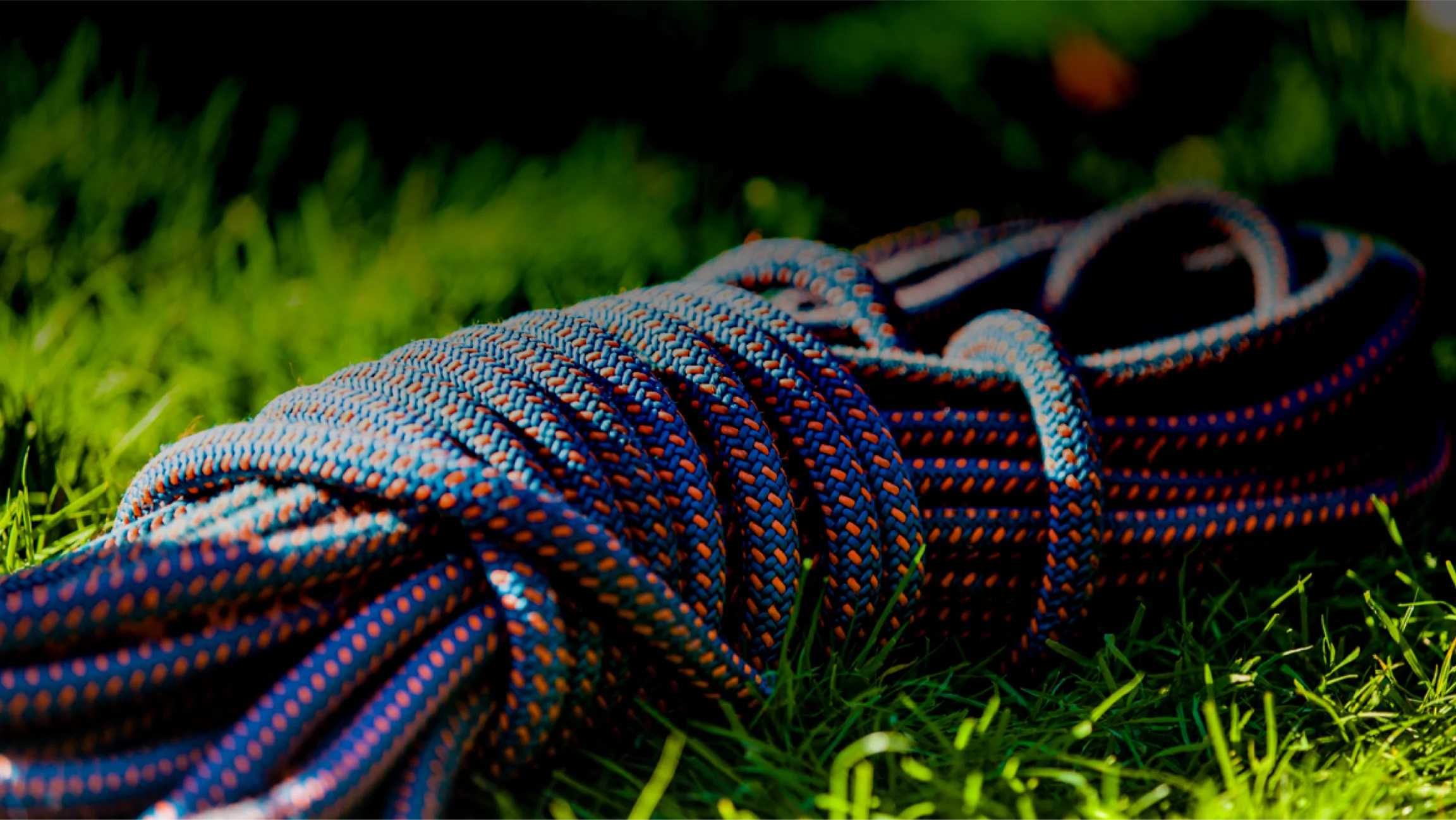
When branches cannot simply be dropped to the ground, crews may need to lower sections individually using ropes and rigging systems. That additional time, equipment, and precision can increase the overall cost.
Before your scheduled tree work, removing movable objects from around the work area can make access easier and help reduce the risk of accidental damage.
Trees near electrical lines require particular care. If you encounter a downed electrical line following a storm or tree failure, stay away from the line and contact the appropriate utility provider.
3. Tree Removal Permits in Vancouver, Washington
Permits are particularly important when planning tree removal in Vancouver. The City of Vancouver regulates both street trees and private trees, and a permit may be required before a tree can legally be removed. Street trees are trees with trunks wholly or partially within the public right-of-way, and permits are required for their removal and major tree pruning.
Private tree removal is also regulated. Permit requirements can depend on factors such as the property type, development status, zoning, whether the tree is considered a nuisance or hazard, and whether the property contains or is adjacent to a sensitive area.
Heritage Trees receive additional protections, while work near wetlands, stream corridors, priority habitats, steep slopes, or other designated sensitive areas may require additional review.
Because requirements vary by property and situation, homeowners should confirm the applicable City of Vancouver requirements before beginning tree removal.
4. Accessibility
How easily can a tree removal crew and its equipment reach the tree? A tree in an open front yard with easy street access may be considerably easier to remove than one tucked behind a house. Costs may increase when:
- Equipment cannot easily enter the backyard.
- Access is through a narrow gate or side yard.
- Equipment or debris must pass through or around a garage.
- Fences restrict access.
- The property is on a steep slope.
- The terrain is uneven or unstable.
- There is limited room to lower branches.
- Traffic or pedestrian control is necessary.
Access affects both how much equipment can be used and how much work needs to be performed manually.
5. Condition of the Tree
A dead tree isn’t necessarily cheaper to remove. Dead, decayed, diseased, storm-damaged, cracked, or structurally compromised trees can sometimes be more complicated and hazardous to work on than healthy trees.
For example, a severely decayed trunk or damaged branch union may not be strong enough to safely support a climber or traditional rigging equipment. The crew may need to use different techniques or equipment to complete the removal safely.
Storm-damaged trees can present additional challenges, particularly when branches or trunks have fallen onto a house, garage, vehicle, fence, or utility line. If you’re concerned that a tree on your property may be hazardous, having it evaluated before it fails can help you better understand your options.
6. Cleanup and What Is Included in the Job
When comparing tree removal prices, make sure you’re comparing the same scope of work. Cutting down the tree is only one part of the project. Depending on the quote, additional services may include:
- Cutting and removing branches
- Chipping brush
- Hauling away wood
- Cutting logs into manageable sections
- Site cleanup
- Stump grinding
Ask what will happen to the wood and debris after the tree comes down. A quote that initially appears cheaper may not be less expensive if stump grinding, hauling, or cleanup has to be purchased separately.
7. Time of Year
Seasonal demand can also affect tree service scheduling and, in some situations, cost. Spring and summer are busy periods for tree care throughout the Pacific Northwest. During periods of high demand, scheduling may be more limited.
If your tree isn’t hazardous and removal isn’t urgent, you may have greater scheduling flexibility during slower portions of the year.
However, a potentially hazardous tree shouldn’t be left standing simply to wait for a particular season. Safety and tree condition should take priority.
Does Homeowners Insurance Pay for Tree Removal?
It depends on the circumstances and your individual insurance policy. Tree removal following a storm or other covered event may sometimes be included when a fallen tree damages an insured structure, such as a home or garage. However, insurance coverage varies considerably.
Routine removal of a healthy or declining tree is generally a different situation from emergency removal following property damage.
If a tree has fallen and damaged your property, contact your insurance provider to determine what your policy covers before assuming the removal costs will be reimbursed.
Price for Tree Removal in Vancouver, Washington
There is no universal answer to the question, “How much does it cost to remove a tree in Vancouver, WA?” A smaller tree with easy access may be relatively straightforward, while removing a massive Douglas fir beside a house, power line, or other structure can be an entirely different project. Tree size, condition, accessibility, surrounding obstacles, permitting requirements, equipment needs, and cleanup can all influence the final price.
Vancouver Fine Arborists Co. can evaluate your tree and property to determine what will be required for safe removal and provide an estimate based on the specific conditions of your project.
Get a Tree Removal Estimate From Vancouver Fine Arborists Co.
If you’re considering tree removal in Vancouver, Washington, don’t rely on a generic online tree removal calculator to determine what your project will cost. Every property and every tree is different.
The team at Vancouver Fine Arborists Co. can evaluate the size and condition of your tree, surrounding obstacles, property access, and other factors that influence the complexity of removal. Contact Vancouver Fine Arborists Co. to discuss your tree and get an estimate for your Vancouver, WA tree removal project.