
Pruning is one of the most valuable things you can do for a tree — and also one of the easiest to get wrong. The cut itself matters, but when you make it matters just as much. Prune at the wrong time and you can invite disease, stress the tree, or sacrifice a season of flowers. Prune at the right time and you improve structure, reduce risk, and help the tree heal quickly.
Here’s how the year tends to break down for trees in the Vancouver and Southwest Washington area. Think of it as a general framework rather than a strict rulebook — species and individual condition always come first.
Late winter to early spring: the main event
For most deciduous trees, the dormant season is the ideal window. With the leaves gone, the structure is fully visible, which makes it far easier to see crossing branches, weak unions, and deadwood. The tree isn’t actively growing, so it isn’t spending energy it can’t spare, and it’s ready to respond with vigorous, well-directed growth once spring arrives.
This is the window for most structural and maintenance pruning: shaping young trees, removing problem limbs, and clearing deadwood before the canopy fills in.
Spring: mostly hands off
Once buds break and leaves emerge, it’s best to ease off. A tree pours enormous energy into leafing out, and heavy pruning during this period competes with that effort. There’s also a practical exception worth knowing:
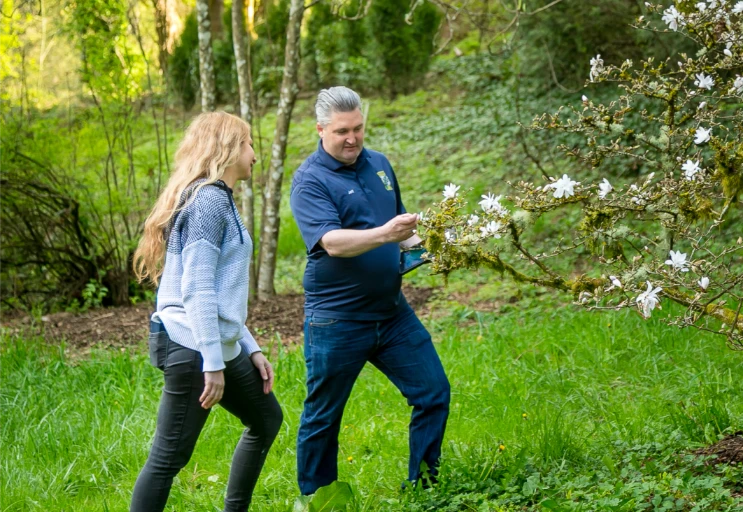
- Spring-flowering trees (like flowering cherry, dogwood, and magnolia) set their buds the previous year. Prune them in late winter and you cut off the very blooms you were waiting for. These are better pruned just after they finish flowering.
Summer: light, corrective work
Summer is a good time for targeted, lighter pruning — removing water sprouts, thinning for light and air, or correcting an issue you’d rather not leave until winter. Because the tree is in full leaf, you can also see exactly how a cut affects the canopy.
Our wet climate adds one more consideration: several common trees, including cherries, plums, and other members of the Prunus family, are prone to disease that spreads more easily in damp conditions. For these, the drier days of summer are often safer than a rainy dormant-season cut.
The best pruning is almost invisible — it works with a tree’s natural form rather than fighting it. Good timing is a big part of what makes that possible.
Fall: wait
Autumn is usually the season to hold off. Fresh cuts heal slowly heading into dormancy, and fall is peak season for the fungal spores that cause decay. Unless you’re removing a genuinely hazardous limb, most fall pruning is better postponed a few weeks into true dormancy.
The exception to every rule: hazards
There’s one thing that overrides the calendar entirely — safety. A cracked, hanging, or dead limb over a driveway, walkway, or roof should come down whenever you spot it, regardless of the season. The small stress of an off-season cut is nothing next to the risk of a failure.
When in doubt, ask before you cut
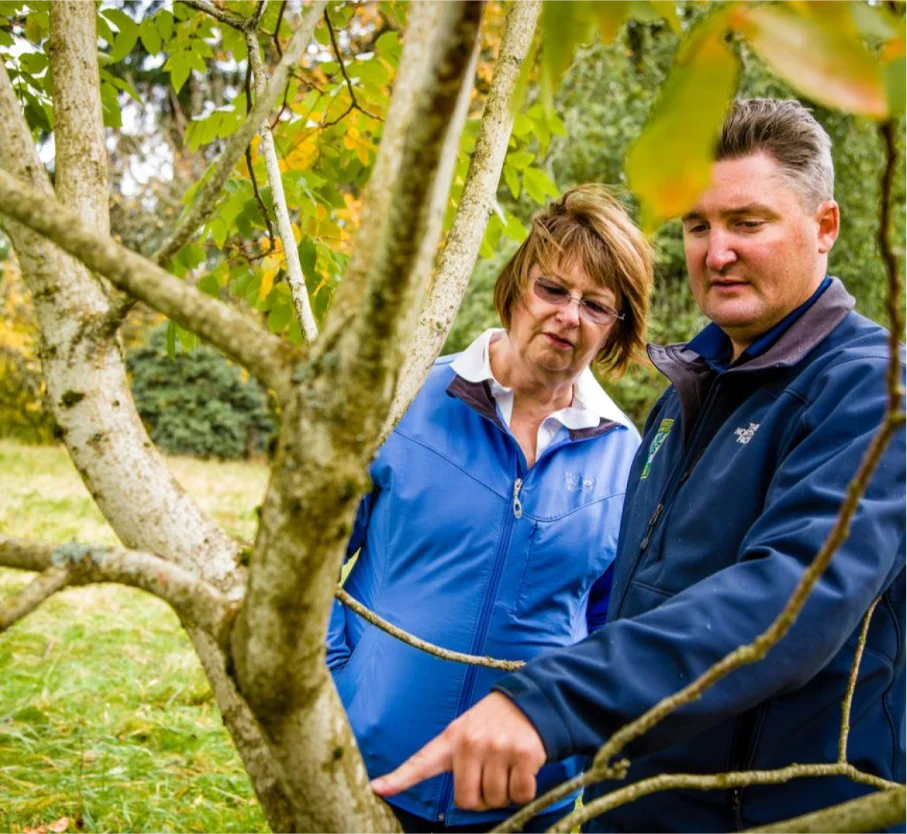
Every tree is a little different, and a species that thrives on a winter prune in one yard might resent it in another because of its age, health, or exposure. If you’re unsure, a quick assessment beforehand is worth far more than trying to undo a mistimed cut afterward.
If you’d like a professional eye on your trees before you pick up the saw, request an estimate and one of our certified arborists will walk your property with you.